Indonesia-India Sepakati 16 Kerja Sama, Ini Rinciannya
Indonesia and India Finalize 16 Strategic Collaborations: A Comprehensive Breakdown Indonesia India Sepakati 16 Kerja Sama - On July 7, 2026, a significant
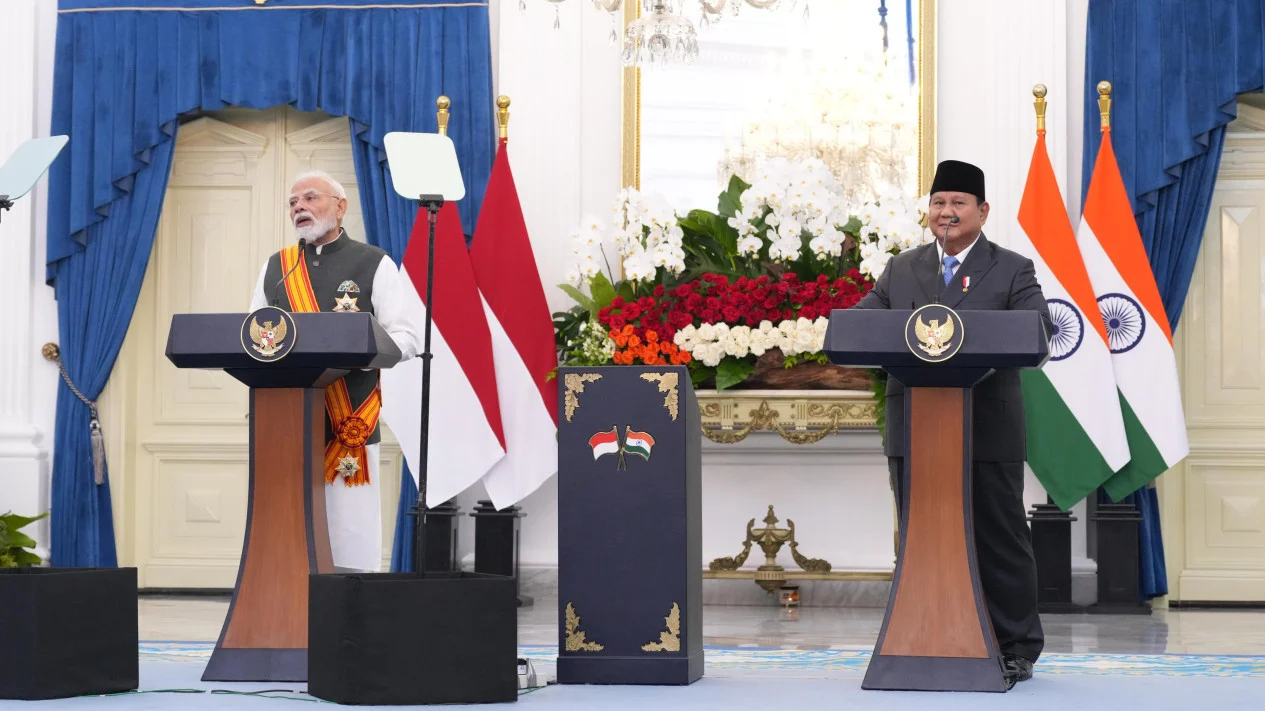
Indonesia and India Finalize 16 Strategic Collaborations: A Comprehensive Breakdown
Indonesia India Sepakati 16 Kerja Sama – On July 7, 2026, a significant milestone in Indo-Indian bilateral relations was achieved as President Prabowo Subianto and Prime Minister Narendra Modi of India convened to discuss and formalize 16 collaborative initiatives. This landmark agreement underscores the growing partnership between the two nations, aiming to strengthen economic, technological, and cultural ties. The focus keyword “Indonesia India Sepakati 16 Kerja Sama” encapsulates the essence of this historic meeting, highlighting the mutual commitment to advancing shared interests across multiple sectors.
The Importance of Indo-Indian Collaboration
The collaboration between Indonesia and India is not just a political gesture but a strategic move to bolster regional stability and economic growth. As neighboring countries with complementary strengths, both nations have recognized the need to deepen cooperation in areas such as defense, energy, and innovation. This agreement reflects a long-term vision to enhance mutual trust and create a framework for sustainable development. With India being one of Indonesia’s largest trading partners, the 16 agreements are expected to open new avenues for investment, trade, and technological exchange.
“The 16 agreements we have reached today are a testament to the shared aspirations of our peoples,” said President Prabowo, emphasizing the potential for these initiatives to uplift communities on both sides of the Indian Ocean.
Key Areas of Collaboration
The agreements cover a wide array of sectors, from disaster management to space exploration, showcasing the depth of Indonesia and India’s partnership. Among the most notable is the extension of the Framework Agreement between Indonesia’s National Research and Innovation Agency and India’s Space Research Organisation, which aims to foster joint ventures in satellite technology and Earth observation. This collaboration could revolutionize how both nations monitor climate change, natural disasters, and maritime activities.
Additionally, the duo signed an Implementing Arrangement on Health Workforce Collaboration, which will address the shortage of skilled medical professionals in Indonesia. This initiative aligns with the broader goal of enhancing public health infrastructure and creating a more resilient healthcare system. The Memorandum of Understanding on Disaster Management is another critical area, designed to improve coordination during emergencies and share resources for rapid response.
In the realm of technology, the agreements include a Memorandum of Understanding on Telecommunications and a framework for Medical Products Regulation. These will streamline the exchange of digital solutions and ensure the quality of pharmaceuticals and medical devices. The collaboration in agriculture focuses on boosting food security through advanced farming techniques and sustainable practices, while the partnership in elections aims to leverage technology for transparent and efficient voting systems.
Defense and Energy: Pillars of the Partnership
Defense cooperation remains a cornerstone of the Indo-Indian relationship, with the BrahMos Missile Defence System contract being a highlight. This agreement between BrahMos and the Indonesian Ministry of Defence is expected to enhance the country’s air defense capabilities. Furthermore, the Air-to-Air Missile Cooperation Agreement between Bharat Dynamics and Republikorp underscores the technological synergy between the two nations, particularly in the development of advanced weaponry.
The energy sector also saw significant progress, with the signing of a Memorandum of Understanding on Minerals and Technologies for the Steel Supply Chain. This initiative will facilitate the exchange of expertise in metallurgy and sustainable resource extraction, supporting Indonesia’s industrial growth. The collaboration in this area is crucial for ensuring a stable supply of raw materials and reducing dependency on foreign imports.
As part of the agreement, the Non-Ferrous Materials Technology Development Centre (NFTDC), Midwest Ltds., and PT. Perusahaan Mineral Nasional (PERMINAS) will work together on innovative solutions for mineral processing. This partnership is expected to drive efficiency and reduce environmental impact, aligning with global sustainability goals. The 16 agreements collectively represent a well-rounded approach to addressing Indonesia’s development challenges while leveraging India’s technological prowess.
Looking Ahead: A Vision for Future Growth
With these 16 agreements in place, the focus now shifts to implementation. Both nations have expressed confidence in the outcomes, particularly in the areas of education, infrastructure, and innovation. The Conservation and Restoration of the Prambanan Temple Complex agreement, for instance, highlights a unique cultural collaboration, preserving Indonesia’s historical heritage through joint efforts. Such partnerships not only strengthen bilateral ties but also set a precedent for international cooperation in preserving global cultural landmarks.
As Indonesia and India continue to build on this foundation, the agreements are anticipated to have a ripple effect on regional economies. The emphasis on technology transfer and joint research initiatives could lead to breakthroughs in renewable energy, smart agriculture, and space science. By fostering a culture of collaboration, both countries are setting the stage for a more integrated and prosperous future, driven by shared goals and mutual respect.
In conclusion, the 16 strategic collaborations between Indonesia and India mark a new era of cooperation, with far-reaching implications for both nations. From advancing scientific research to improving disaster resilience and energy security, these agreements demonstrate a commitment to long-term growth and development. As the implementation phase begins, the world will be watching how this partnership shapes the future of Indo-Indian relations and contributes to global progress.