Solution For: Soal Konflik di Papua, Bambang Pacul: Wilayah Otonomi Khusus, Tanggungjawab Wapres
Solution For Papua's Conflict: Vice President's Responsibility in Special Autonomy Solution For the ongoing tensions in Papua, political analyst Bambang
Solution For Papua’s Conflict: Vice President’s Responsibility in Special Autonomy
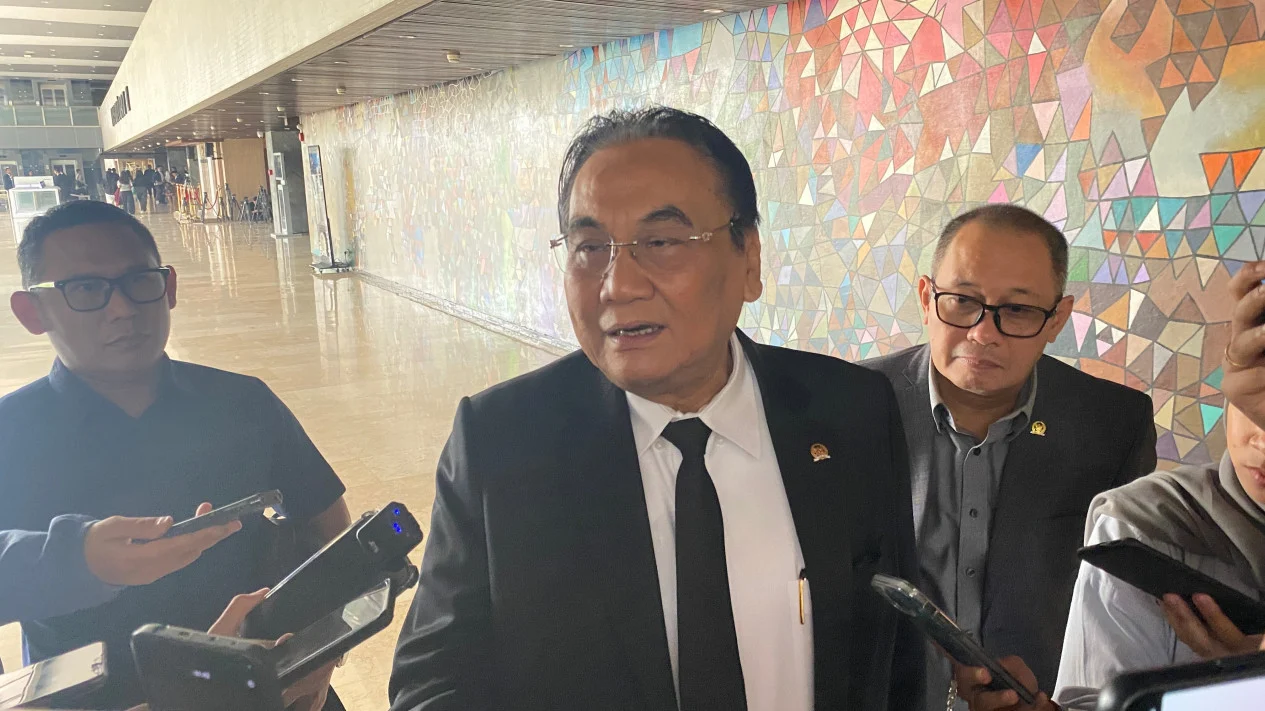
Solution For the ongoing tensions in Papua, political analyst Bambang Wuryanto—better known as Pacul—has emphasized that the Vice President bears the primary responsibility for managing the situation. In a recent statement during a session at the DPR building in Jakarta Pusat, Pacul highlighted the unique role of the Vice President in addressing conflicts within the framework of the special autonomy policy.
The Special Autonomy Framework
Pacul argued that the establishment of Papua as a special autonomy region under UU Nomor 2 Tahun 2021 (the second amendment to UU Nomor 21 Tahun 2001) requires targeted governance. “Solution For the challenges in Papua, the Vice President must be the central figure in ensuring the implementation of this policy,” he said, stressing the need for centralized coordination in handling both social and economic issues. The law, he explained, grants the Vice President specific authority to oversee development and conflict resolution, making them the key actor in maintaining stability.
“Papua is a special autonomy area, so it must be managed with specific attention. Solution For these conflicts lies squarely with the Vice President,” Pacul remarked, underscoring the importance of a unified approach to address the region’s complex situation.
Recent Escalations and Calls for Action
Over the past weeks, Papua has seen renewed episodes of violence, raising concerns about the effectiveness of current strategies. On 2 July 2026, a tragic incident occurred when a U.S. pilot from AMA was shot dead by a separatist group, and a pregnant woman lost her life in a confrontation between TPNPB-OPM and TNI forces. These events have intensified discussions about the need for a more robust Solution For the region’s disputes.
Pacul pointed out that the Vice President’s role is not just symbolic but operational. “Solution For the socio-political challenges in Papua must be grounded in the clear mandates of the special autonomy law. If the situation escalates, it is the Vice President who should take decisive action,” he asserted. This includes addressing grievances, ensuring equitable resource distribution, and fostering dialogue between local and national authorities.
He also noted that the Vice President’s responsibilities extend to monitoring the implementation of the Otsus policy, which aims to improve living standards and reduce ethnic tensions. “Solution For long-term peace in Papua requires the Vice President to act as a mediator and a catalyst for progress,” Pacul added, highlighting the importance of proactive measures.
The Path Forward: Strengthening Solution For Papua’s Conflict
While the Vice President is tasked with leading efforts to resolve conflicts in Papua, Pacul stressed that this role must be supported by clear mechanisms and resources. He called for increased funding for development projects, better infrastructure, and a commitment to addressing the root causes of discontent. “Solution For the conflict cannot be achieved without tangible improvements in the daily lives of Papuan people,” he said.
Moreover, Pacul suggested that the Vice President should work closely with regional leaders and civil society to ensure that their voices are heard in policy decisions. “Solution For a lasting resolution must involve all stakeholders, not just the central government,” he emphasized. This collaborative approach, he argued, would help build trust and create a more inclusive framework for peace.
As the situation in Papua continues to evolve, the Vice President’s role remains pivotal. Pacul’s comments reflect a growing consensus that the Special Autonomy policy must be fully realized through effective governance. With a focused Solution For the challenges, he believes the region can move towards stability and prosperity. “The Vice President has the power and the duty to ensure that Papua’s potential is unlocked,” Pacul concluded, reinforcing the urgency of the task ahead.