New Policy: Taruna Akmil Bakal Dilibatkan Latih Siswa Sekolah Rakyat, DPR Wanti-wanti Jangan Ada Militerisasi
New Policy: Taruna Akmil Involved in Training Students at Sekolah Rakyat, DPR Warns Against Militarization New Policy - The Indonesian government has
New Policy: Taruna Akmil Involved in Training Students at Sekolah Rakyat, DPR Warns Against Militarization
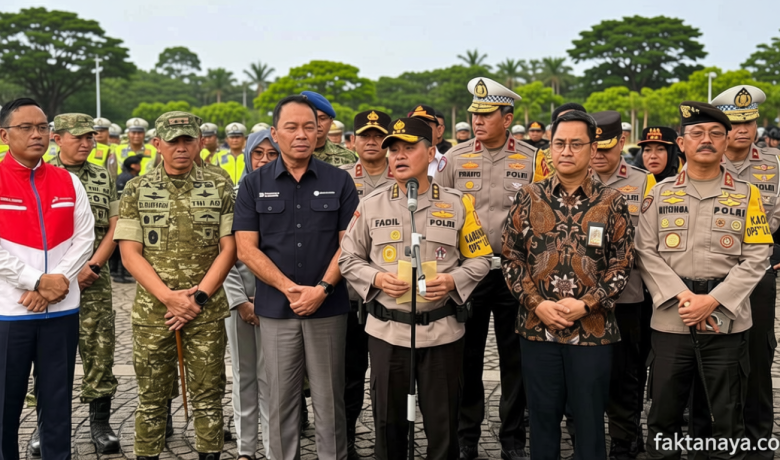
New Policy – The Indonesian government has announced a new policy to integrate Taruna Akademi Militer (Akmil) cadets into the training program for students at Sekolah Rakyat. This initiative, aimed at strengthening national character education, has sparked discussions in the legislative and educational sectors. The new policy reflects the government’s commitment to fostering disciplined, responsible, and patriotic youth, while also addressing concerns about potential militarization in schools.
Collaborative Approach to National Character Development
As part of the new policy, the Ministry of Social Affairs (Kemensos) will collaborate with Akmil to provide structured mentorship for students in Sekolah Rakyat. The program focuses on cultivating values such as integrity, leadership, and national pride. This partnership is expected to enhance the curriculum by incorporating military-style training, which emphasizes teamwork, resilience, and time management. The new policy is designed to bridge the gap between academic learning and practical life skills, ensuring students are well-prepared for future challenges.
The new policy has drawn attention from various stakeholders, including educators, parents, and civil society organizations. While some view it as an innovative step towards holistic education, others worry that the inclusion of military cadets might overshadow the academic focus of Sekolah Rakyat. The government has clarified that the goal is to complement existing educational frameworks, not replace them. This new policy also aligns with broader national strategies to improve youth development and social cohesion.
Legislator Emphasizes Humanistic Pedagogy
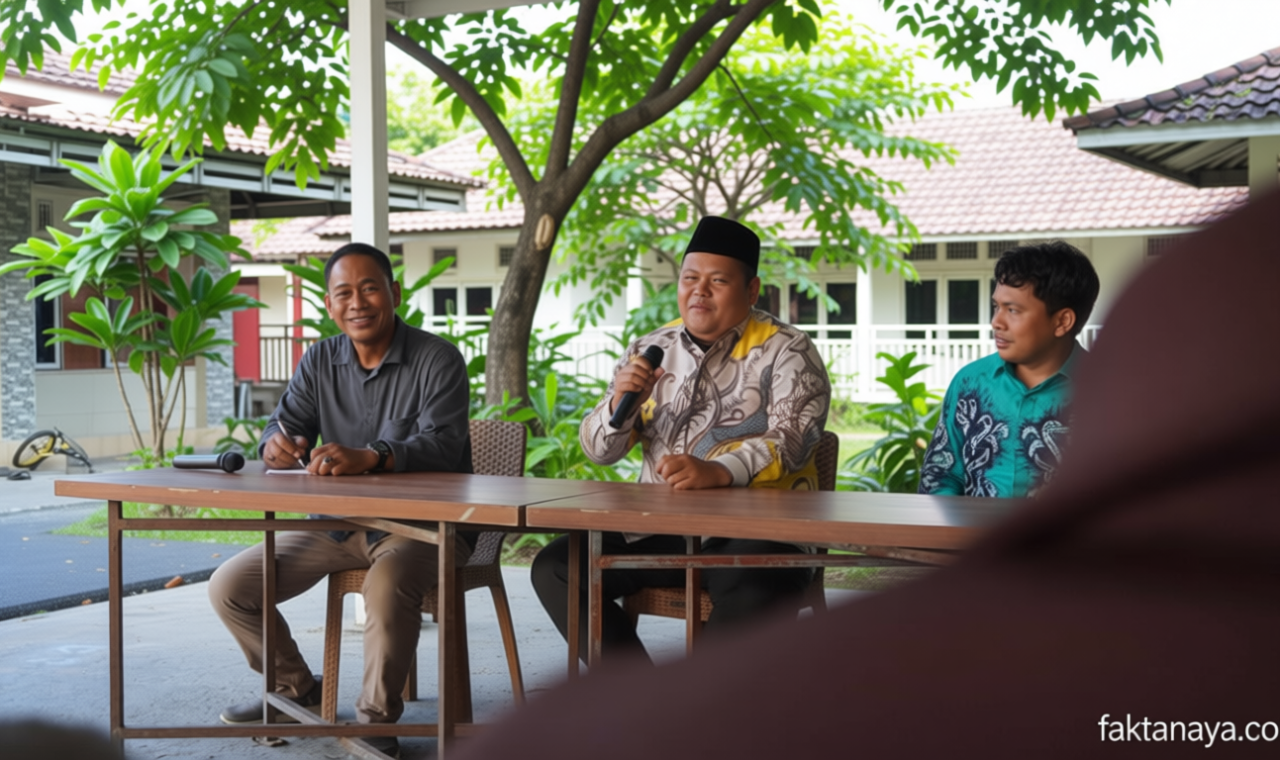
Members of the DPR’s Komisi VIII have expressed cautious optimism about the new policy. Sandi Fitrian Noor, a key figure in the committee, highlighted the importance of maintaining a humanistic pedagogical approach. “The new policy is commendable, but we must ensure it doesn’t transform Sekolah Rakyat into a militarized institution,” he stated. Sandi stressed that the program should focus on instilling positive values through examples and relationships, rather than enforcing strict military discipline.
He further explained that the majority of Sekolah Rakyat students come from low-income and vulnerable families. Therefore, the training program must create a supportive and inclusive environment that nurtures confidence and self-reliance. The new policy also needs to balance the benefits of military-inspired discipline with the flexibility required for diverse learning needs. By doing so, it can contribute to shaping well-rounded individuals who are both academically and morally prepared for society.
The new policy builds on international frameworks like PISA and OECD, which emphasize the role of character education in academic success. Sandi pointed out that students who internalize values through consistent guidance are more likely to excel in both personal and professional life. However, he warned that without careful implementation, the program might inadvertently promote a rigid, militaristic culture in schools. The DPR has urged Kemensos to conduct pilot programs and gather feedback before full-scale rollout.
Analysts suggest that the new policy could benefit from a phased approach, allowing educators and cadets to adapt the training methods to the students’ age and context. This would ensure that the program remains effective and culturally relevant. The government has also proposed integrating the military’s expertise with civilian educators to create a balanced learning experience. If successful, the new policy may set a precedent for other educational institutions to adopt similar character-building initiatives.